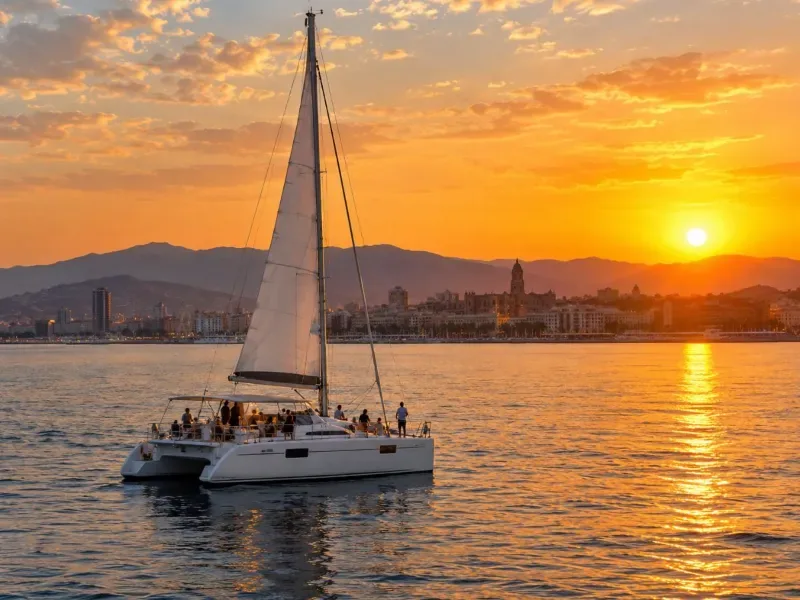
Booking choice: The sunset catamaran, 1.5 hours. Book this Tour details
The figures on this page come from AEMET, Spain's state weather agency, for Málaga airport over 1981 to 2010. The airport station records about 2,900 hours of sunshine and only about 42 days of rain a year. The famous "300 days of sun" is a popular figure rather than an AEMET statistic, but it is not far off.
The right month depends on what you came for: the beach, the sights, the day trips or a festival. Each one points to a different part of the year.
The quick answer
May, June, September and October suit most visitors: highs of about 24 to 28 °C, little rain and a sea warm enough to swim in from about late June. July and August are hot and crowded. November and December are the wettest months but stay mild.
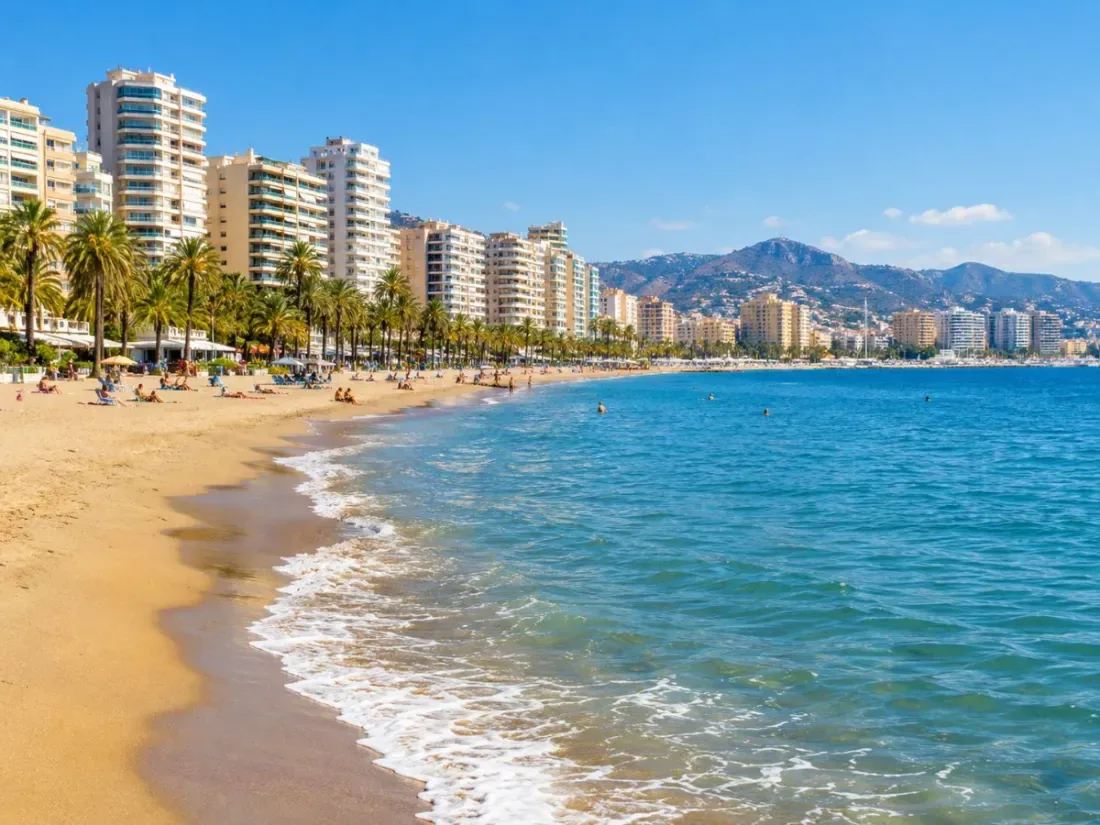
What is the best month to visit Malaga?
June or September for the beach, May or October for sightseeing and day trips. All four are warm, mostly dry and quieter than high summer.
June averages a high of 28.1 °C with less than one day of rain, and September is almost identical, at 28.2 °C, with a warmer sea. May and October are cooler, at about 24 °C, which is perfect weather for the Alcazaba climb or a day on the Caminito del Rey.
If we had to pick one month, it would be late September: the sea is still warm from the summer, the Feria crowds have gone, and the heat has dropped enough for long walks. October comes a close second, with a few more rainy days.
September evenings are made for the water: a sunset sail from Muelle Uno, with a bar on board.
Book thisWhat is the weather like in Málaga month by month?
Mild winters with highs around 17 °C, hot dry summers around 31 °C, and almost all the rain between October and April.
AEMET normals for Málaga airport, 1981 to 2010. Rain days count days with at least 1 mm.
| Month | Average high | Average low | Rain days | Sunshine hours |
|---|---|---|---|---|
| January | 16.8 °C | 7.4 °C | 5.8 | 180 |
| February | 17.7 °C | 8.2 °C | 4.8 | 180 |
| March | 19.6 °C | 9.8 °C | 4.0 | 222 |
| April | 21.4 °C | 11.1 °C | 4.5 | 244 |
| May | 24.3 °C | 14.2 °C | 3.1 | 292 |
| June | 28.1 °C | 18.0 °C | 0.8 | 329 |
| July | 30.5 °C | 20.5 °C | 0.1 | 347 |
| August | 30.8 °C | 21.1 °C | 0.5 | 316 |
| September | 28.2 °C | 18.8 °C | 2.1 | 255 |
| October | 24.1 °C | 15.0 °C | 4.4 | 215 |
| November | 20.1 °C | 11.3 °C | 5.6 | 172 |
| December | 17.5 °C | 8.9 °C | 6.6 | 160 |
What is the rainiest month in Malaga?
November and December, with about 100 mm each on AEMET's averages. December has the most rain days, about 6.6, so even the wettest month is mostly dry.
July is the driest month, with essentially no rain at all. The wet season runs from October to April, and the rain tends to arrive in a few heavy days rather than a long grey spell.
Keep an indoor plan for those days. The Picasso Museum opens every day. The Museo de Málaga in the Palacio de la Aduana holds fine art and archaeology, and the cathedral is a good hour under cover. The cathedral's rooftop tours may be suspended in bad weather, so save the roof for a dry morning.
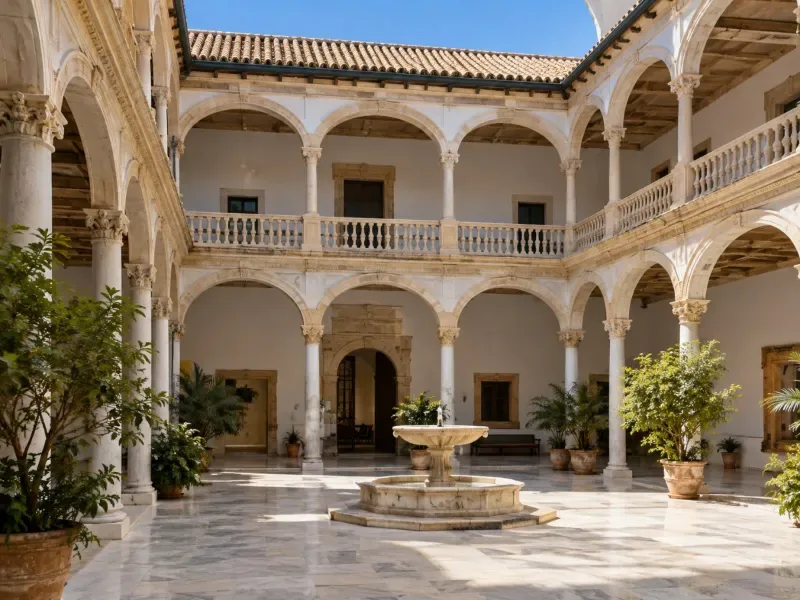
A rainy-day plan with a point: Picasso's life and work with a guide, entry ticket included.
Book this Tour detailsIs Málaga warm in winter?
Mild rather than warm: January days average about 17 °C and nights about 7 °C. Fine for sightseeing in a light jacket, too cool for most people to swim.
The sea drops to about 15 to 16 °C from January to March, according to climate-data.org. Opening hours shorten too: from November to March the Alcazaba closes at 18:00 and the Picasso Museum at 18:00.
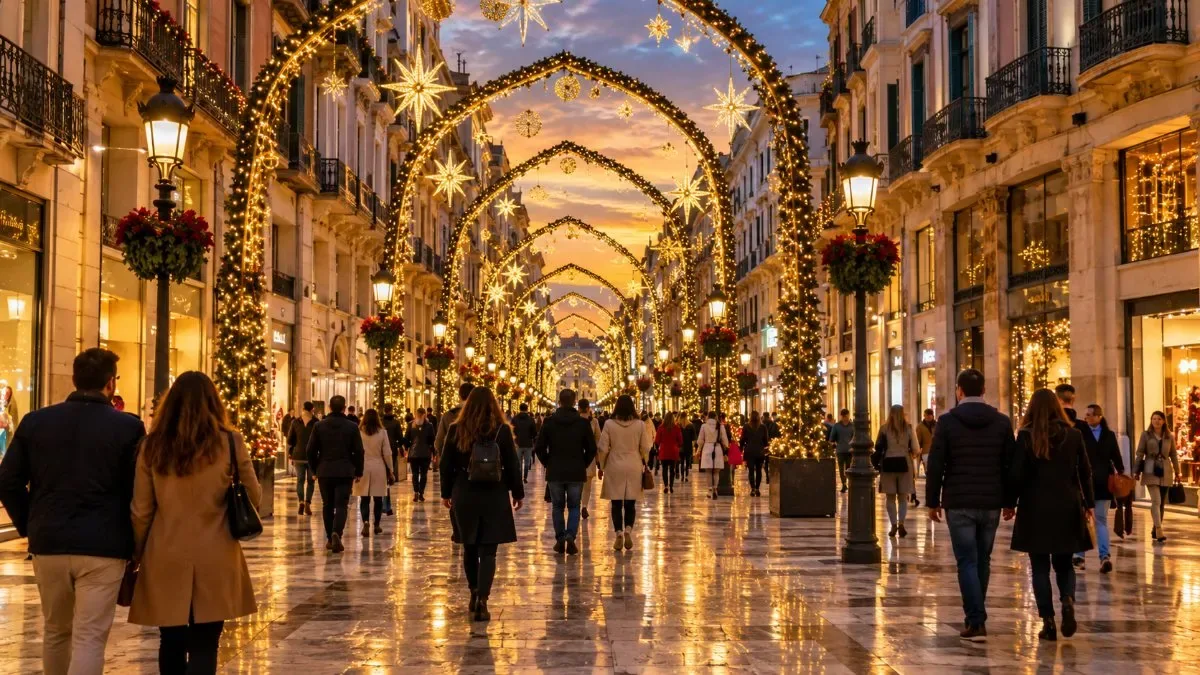
Winter has its own reasons to come. Calle Larios gets its Christmas light arches from late November to early January, with a free light-and-music show several times a night, and the winter 2026-27 post has this season's dates as they are announced. The day trips are quieter, and a walk on the Caminito del Rey is far more comfortable in the cool.
How hot does Málaga get in summer?
Hot but usually bearable by the sea: July and August average highs of about 31 °C. When the terral wind blows from inland, the city can reach about 38 to 40 °C.
The terral is a dry wind from the north that heats up as it drops over the mountains behind the city. It brings very low humidity, a higher fire risk and, oddly, a colder sea, because it pushes the warm surface water offshore. AEMET issues heat warnings when it blows.
Inland it is hotter still. Granada and Seville both average July highs of about 35 to 36 °C. In summer, do the sights early, keep the afternoon for the beach or a long lunch, and book day trips that start early.
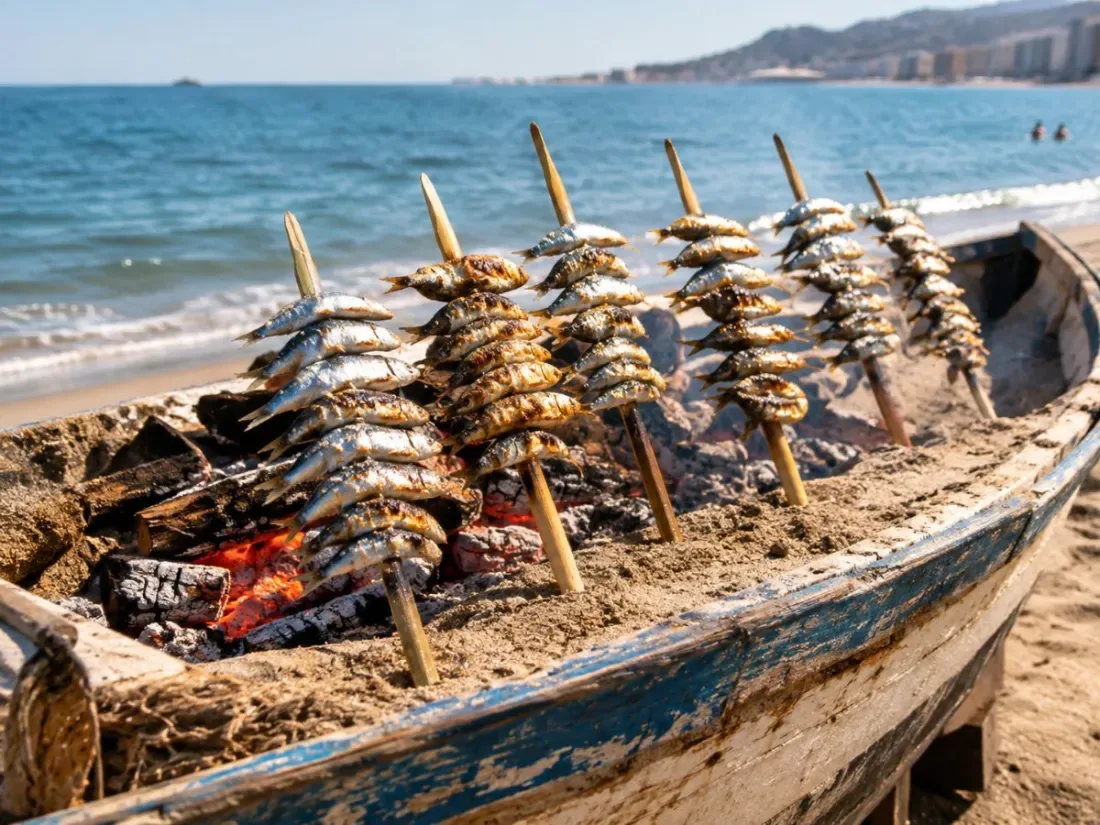
When is the sea warm enough to swim in Málaga?
From about late June to October. The sea averages about 22 to 23 °C from July to September and stays near 20 °C in October.
Monthly sea temperatures from climate-data.org:
| Months | Sea temperature | Swimming |
|---|---|---|
| January to March | About 15 to 16 °C | For the brave |
| April and May | 16 to 18 °C | Cold for most |
| July to September | 22 to 23 °C | Warmest, August peaks |
| October | About 20 °C | Still pleasant |
| November | About 18 °C | Cool |
Check the flag before you go in: green means swimming is allowed, yellow means take great care, red means no swimming. Jellyfish peak in July and August, and rip currents are the bigger danger. More in the where to stay guide, under what to be careful of.
When are Málaga's big festivals?
Holy Week in spring, the Noche de San Juan on 23 June, the Feria in mid-August and the Christmas lights from late November. Each one fills the centre and the hotels.
| Festival | When | What happens |
|---|---|---|
| Semana Santa | Palm Sunday to Easter Sunday; in 2027, 21 to 28 March | Processions carry thrones through the centre, some of them over 5,000 kg |
| Festival de Málaga | March (6 to 15 March in 2026) | Spanish-language film festival around the Teatro Cervantes |
| Noche de San Juan | Night of 23 June | Bonfires, burning figures and a midnight dip on the city beaches |
| Feria de Málaga | Mid-August (15 to 22 August in 2026) | Day fair in the centre, night fair at the Cortijo de Torres |
| Christmas lights | Late November to early January | Light arches and a free light show on Calle Larios |
Book rooms early for Holy Week and the Feria, and expect the streets around Calle Larios to be packed. Feria dates come from El Debate; the San Juan traditions from Málaga Guru.
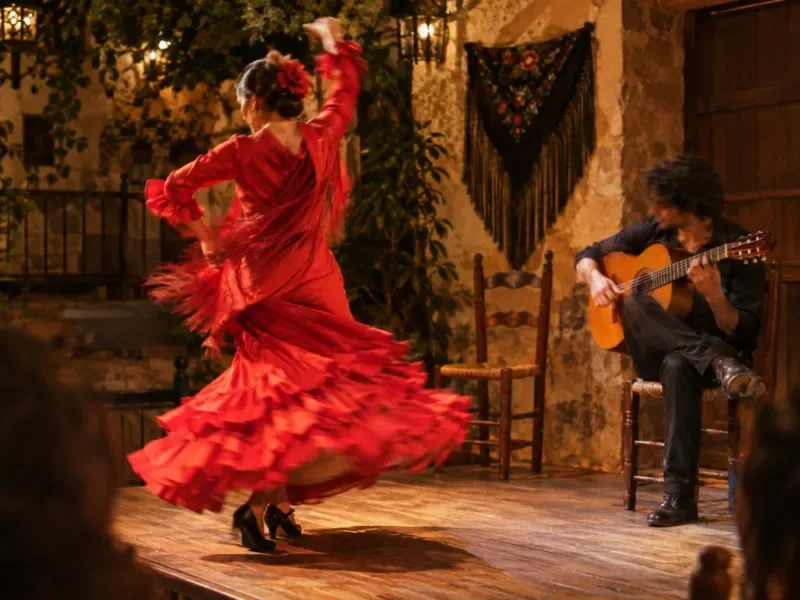
Any time of year: live song, guitar and dance at close range in the centre, with drinks and tapas by option.
Book this Tour detailsWhich is nicer, Valencia or Malaga?
For winter sun, Málaga: on AEMET's averages it gets about 200 more hours of sunshine a year and slightly warmer winter days. Valencia is the bigger city with more to see on its own streets; Málaga wins on day trips.
The Valencia station records about 2,700 sunshine hours a year against about 2,900 at Málaga airport, and a January high of 16.4 °C against 16.8 °C. Valencia is a little drier over the year. In summer the two are close, at about 30 to 31 °C.
Valencia is the bigger city and the home of paella. Málaga's edge is what lies around it: the Alhambra, Ronda, Córdoba and the Caminito del Rey are all a day trip away. See the day trips guide.
Frequently asked questions
When is the cheapest time to visit Málaga?
Winter outside Christmas and Holy Week, when hotels are quieter. July and August, the Feria and Holy Week are the busiest times, and old-town rooms rise sharply then.
What is the best time for the Caminito del Rey?
Spring and autumn, when the gorge is warm but not baking. The path is closed on Mondays, so plan around that.
Does it rain much in Málaga?
Not much. AEMET counts about 42 days a year with at least 1 mm of rain, most of them between October and April.
Is October a good time to visit Málaga?
Yes. Average highs are about 24 °C, the sea is near 20 °C, and there are about four rainy days in the month.
Ready to book
Choose your tour
Free cancellation up to 24 hours before on every option here. Check the live listing for your date.
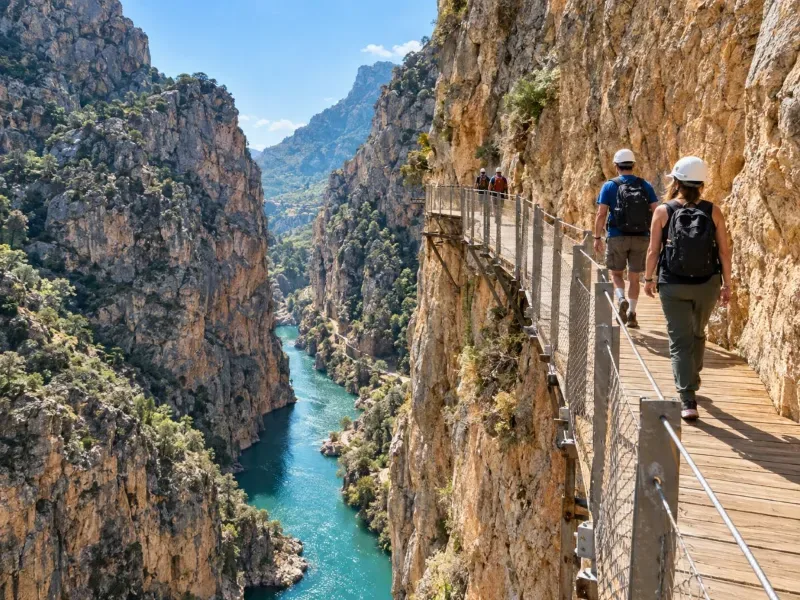
Caminito del Rey Guided Tour from Málaga
- Direct coach from central Málaga and back
- Caminito del Rey entry ticket and helmet
- Official Caminito guide, groups by language
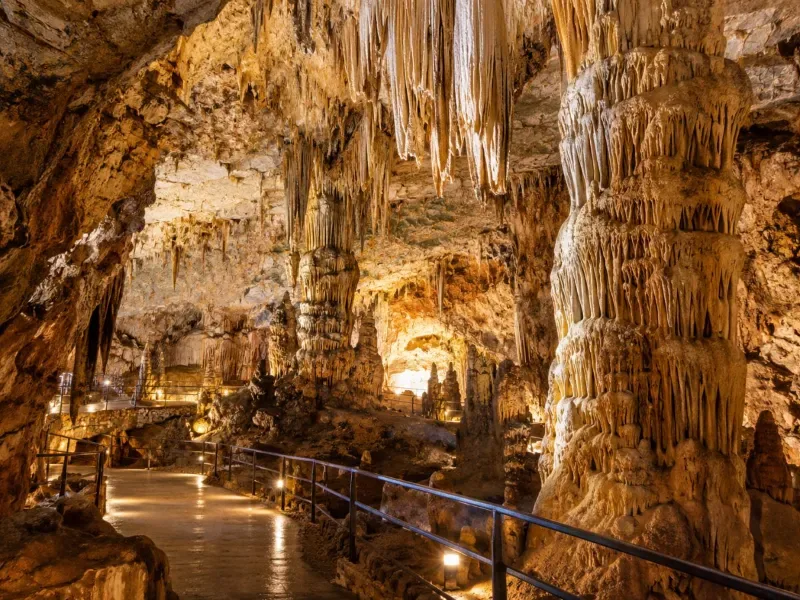
Nerja Caves, Nerja & Frigiliana
A white village, a giant cave and the Balcón de Europa